Dog Poop Bag Guide: Choosing the Best Bags in 2026
The humble dog poop bag is the single most-used piece of gear a dog owner touches, yet most people grab whatever is cheapest and never think twice. That is a mistake. The right bag prevents leaks, controls odor, and even affects the environment, while the wrong one fails at the worst possible moment. In 2026, it pays to choose deliberately.
This guide cuts through the marketing noise around “biodegradable” and “compostable” claims, compares the main bag materials, and helps you pick a bag that actually performs. By the end, you will read a bag box like a pro.
What to Look for in a Dog Poop Bag
Performance comes down to a few measurable traits. Thickness, seal quality, and opacity matter far more than a colorful print or a pleasant scent. A good bag holds its contents, knots without tearing, and keeps odor sealed inside.
Proper disposal matters too. Pet waste is a recognized source of waterway pollution, which the EPA covers in its pets and animal waste guidance. A bag that seals reliably keeps that waste out of storm drains and gutters.
Which features actually matter?
Ignore the gimmicks and focus on the fundamentals that determine whether a bag succeeds or splits.
- Adequate thickness to resist punctures and tears.
- A leak-proof bottom seam, not just folded plastic.
- Opacity so contents stay discreet.
- Enough length to knot easily over a full load.
- Odor-blocking film for bin and pocket alike.
A dependable Dog poop bag covers all five without asking you to overpay for features you will never notice on a walk.
Understanding “Biodegradable” and “Compostable” Claims
This is where marketing gets slippery. Many bags labeled biodegradable only break down under specific industrial conditions that home and landfill environments never provide. The U.S. Federal Trade Commission addresses these environmental marketing claims directly in its Green Guides, which warn against unqualified degradability claims.
The practical takeaway is simple: choose a bag for its strength and seal first. If genuine compostability matters to you, verify certified standards rather than trusting a green leaf printed on the box.
Do compostable bags work for dog waste?
Rarely in a home setting. Dog waste itself should not go into garden compost meant for edibles, and most compostable bags require industrial facilities that do not accept pet waste anyway. For nearly all owners, sealed disposal in the trash remains the realistic choice.
Comparing Common Bag Materials
Different materials trade off strength, cost, and environmental profile. The table below summarizes the honest picture so you can decide what fits your priorities.
| Material | Strength | Cost | Notes |
|---|---|---|---|
| Standard polyethylene | High | Low | Reliable, widely available |
| Recycled-content plastic | High | Moderate | Lower footprint, strong |
| Plant-based / PLA | Medium | Higher | Needs industrial composting |
| Thin economy bags | Low | Lowest | Prone to tearing, avoid |
Pairing Bags with the Right Tool
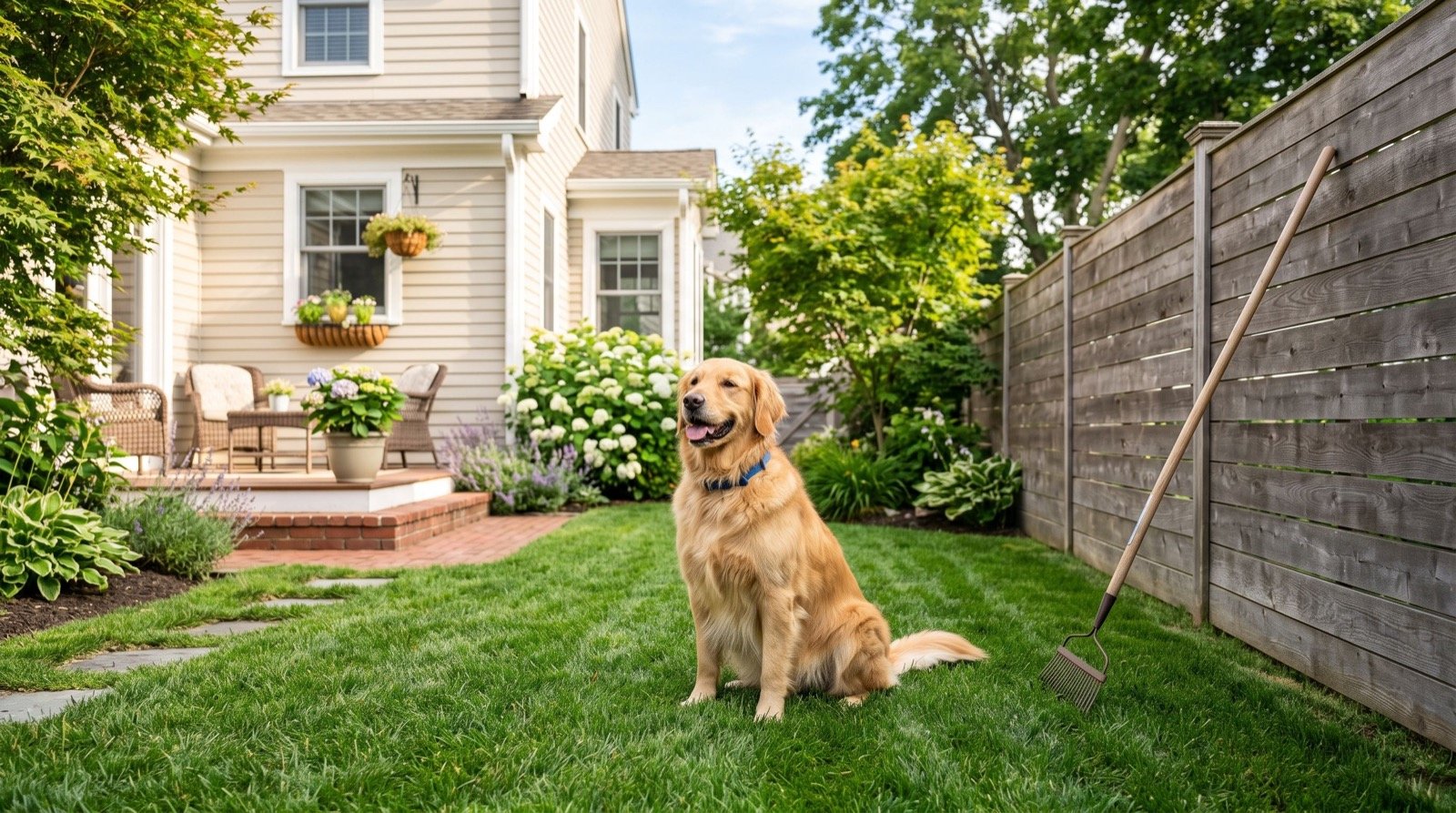
Bags work best alongside a proper scooper for yard duty. A Pooper Scooper metal tool lets you fill the bag without bending, then seal and toss in one motion. The combination beats crouching with a bag over your hand every time.
To build a reliable system, follow a simple routine.
- Stock one consistent, durable bag size in bulk.
- Keep a roll clipped to the leash and another by the door.
- Scoop into the bag using a long-handled tool for the yard.
- Knot tightly and drop into a lidded bin.
- Restock before the roll runs empty.
If cleanup keeps slipping through the cracks, some owners bring in reliable local experts for scheduled removal, keeping the yard clear without adding another task to a busy week.
A Tip That Saves Money and Frustration
Here is a lesson from experience: buy one proven bag in bulk rather than sampling a dozen brands. Consistency means you know exactly how the bag behaves, and bulk pricing drops the cost per bag dramatically over a year of daily use.
Store bags away from heat and sunlight, since UV and warmth quietly weaken plastic over months. A shaded shelf keeps your whole supply reliable to the last roll.
How Many Bags Do You Actually Need?
Owners routinely underestimate their bag consumption, then run out at the worst moment. A single dog walked twice daily needs at least two bags a day, and yard cleanup adds more. Over a year, that adds up to hundreds of bags for one dog alone.
Multi-dog homes multiply that quickly. Buying in bulk is not just cheaper per bag, it also means you rarely face the empty-roll panic that tempts people to reach for a flimsy substitute. Stock a generous surplus and rotate it so the oldest rolls get used first.
Do scented bags make a real difference?
Scented bags mask odor briefly, but the effect is minor compared to a proper seal. A thick, well-knotted unscented bag controls smell better than a thin scented one, because the film itself is the real barrier. Treat scent as a small bonus, not a buying reason.
What about dispensers and carriers?
A leash-clip dispenser is a genuinely useful accessory. It keeps a roll always within reach, so you never leave home without bags. Pair it with a small carrier for used bags on longer walks, and you have a clean, self-contained system that never leaves you scrambling.
Frequently Asked Questions
Are biodegradable dog poop bags worth it?
Only if certified and paired with access to industrial composting, which most owners lack. For everyday use, a strong, sealed bag in the trash is the practical and honest choice.
What size dog poop bag is best?
A mid-size bag suits most dogs, offering room to knot without waste. Large-breed or multi-dog owners may prefer bigger bags to avoid double-bagging.
Can I flush dog poop bags?
No. Never flush plastic bags of any kind, as they clog plumbing and harm sewage systems. Seal and bin them instead.
Why do my bags keep tearing?
Usually because they are too thin. Switching to a thicker, puncture-resistant bag with a proper bottom seam solves the problem almost immediately.
Final Thoughts
Choosing the right dog poop bag is a small decision with an outsized daily payoff. Prioritize strength and a reliable seal, treat green claims with healthy skepticism, and buy a proven bag in bulk.
Pair that bag with a good scooper and a consistent routine, and the most repeated chore in dog ownership becomes fast, clean, and genuinely stress-free throughout 2026.